wayfinding
A lived-experience guide for
late-identified neurodivergent women
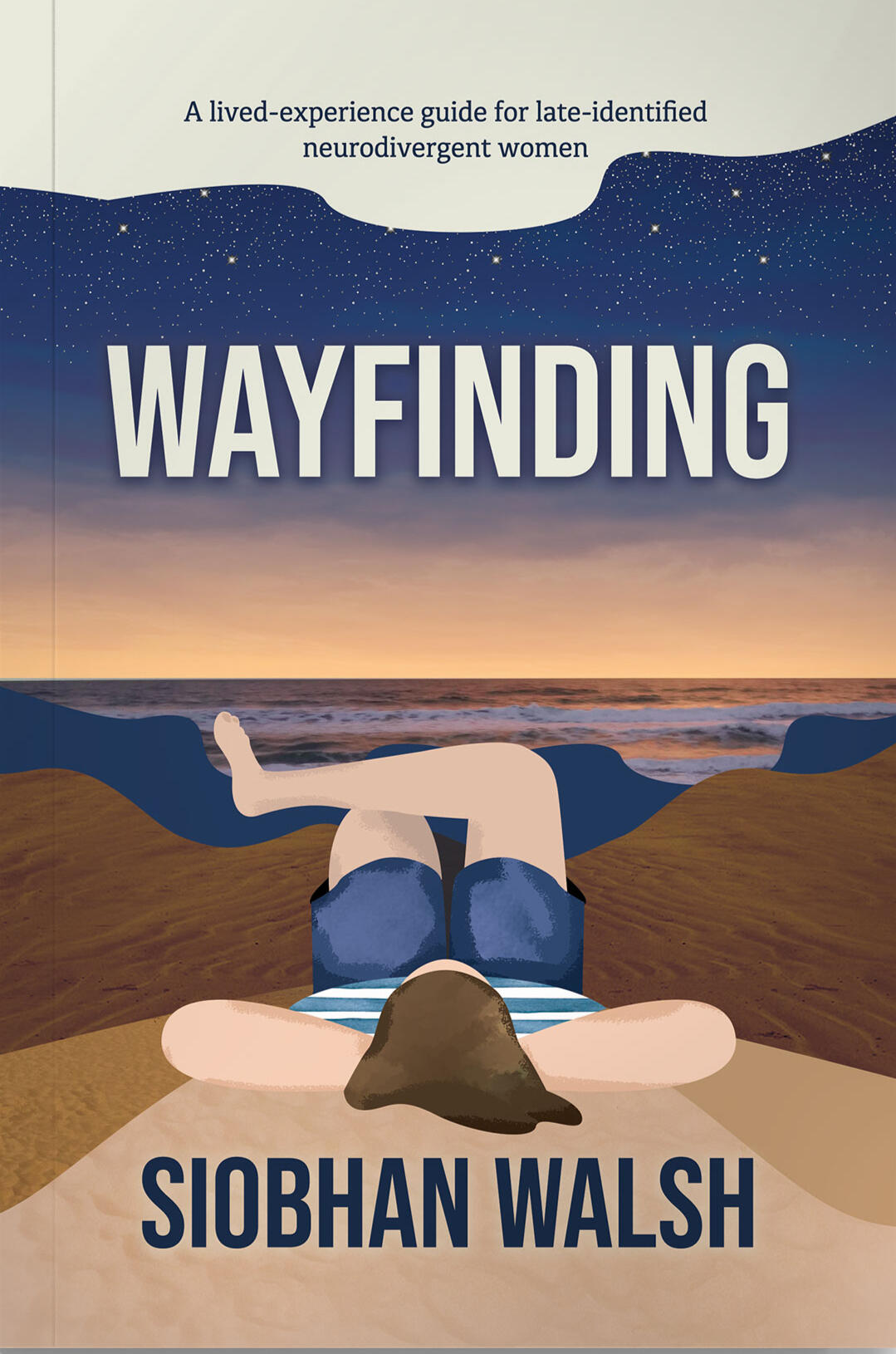
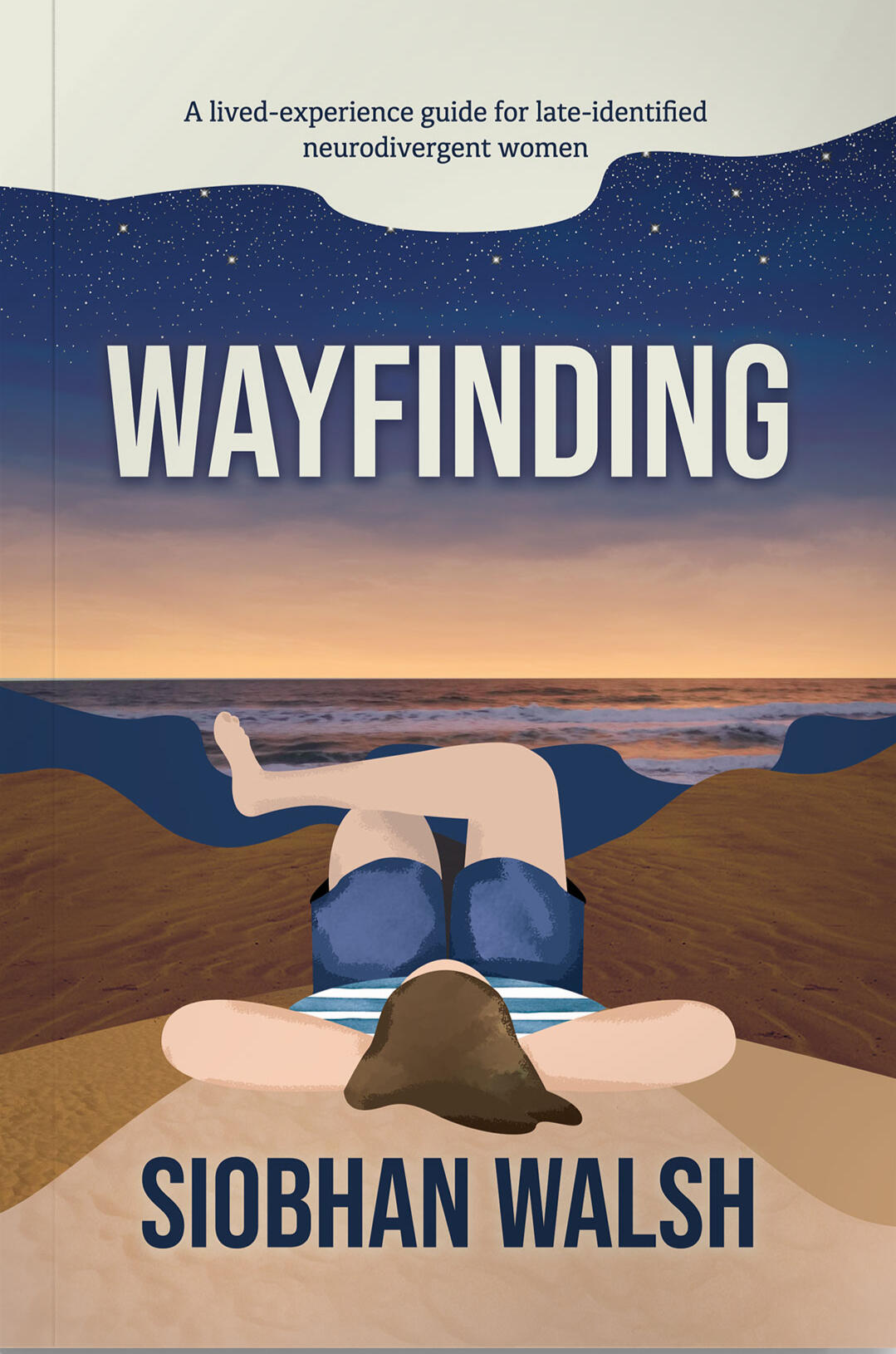
You were not missed because you were hard to see.You were missed because the maps were never drawn with you in mind.Wayfinding is for women late‑identified as Autistic, ADHD, or both, and for women who are beginning to sense that something in their story wants to be understood.Grounded in lived experience, Wayfinding offers a way of finally making sense of the life you have already lived.Out 27 October 2026.
Wayfinding was written in Wollongong, on the lands of the Dharawal people. I offer my respect to their Elders, past and present, and acknowledge their deep and continuing connection to the land, waters and skies of their Country.
© Siobhan Walsh. All rights reserved.
out 27 october 2026
about the book
By the time the question arrives, you’ve already lived decades of your life. You’ve built relationships, careers, families, coping strategies, entire identities — all without the words that might have made sense of it.You may not have called it neurodivergence. You may have called it being sensitive, intense, driven, inconsistent, lazy, an underachiever, an overachiever, bright, different, or emotional. You may have simply called it “how I am.”Wayfinding was written for this moment — for women recognising their neurodivergence later in life, and for the quiet shift that happens when your own story comes into view.Wayfinding is not a diagnostic manual, a workbook, or a program, and it will not try to fix you.Instead, it offers you understanding, language, orientation, and recognition.Walk the path straight through, wander, circle back, or set it down and return when you’re ready — the trail will keep.You don’t need certainty to set out. Curiosity is enough.
About the author
Siobhan Walsh is a mother, a writer, and a late-identified neurodivergent woman.She has spent more than thirty years working with words — advertising, journalism, public sector communications, fiction writing, and editing. Siobhan was late-identified as neurodivergent at the age of 51.Wayfinding — the book she needed and couldn’t find — is her first nonfiction book. She lives in the Illawarra with her husband, their teenager, and four cats who contribute nothing to the household economy.
out 27 october 2026
for clinicians
Wayfinding was written for the women you sit with — the ones arriving in their thirties, forties, fifties and beyond with a question they don’t yet have language for.In your practice, it can:
Bring lived-experience depth to your clinical knowledge — the internalised presentation, masking, burnout, and identity grief described from the inside, in the language clients actually use.
Give a client one concept at a time. The book is built from short, self-contained pieces (lanterns), so you can point a client to three pages on masking, or unmasking, or identity grief — not a whole book at once. Single sections may be photocopied for individual clients within a clinical relationship, with my blessing.
Live in your lending library or waiting room — for the client who isn’t ready to buy it.
Scaffold the conversation when late identification enters the room: it offers shared language for presentations, camouflaging, and the pathways to knowing — formal and self-identified.
Be the thing you hand her in the week the question first arrives — when she’s between the recognising and the knowing, and needs company more than information.
connect
Get news about Wayfinding
Receive occasional updates about Wayfinding, publication news, events and related resources.
No clutter, no constant emails, and you can unsubscribe at any time.
Connect with me
Questions about Wayfinding, media enquiries, or opportunities to work together are welcome.
Use the form below and I'll be in touch as soon as I can.
Thank you
Thanks for your message. I'll be in touch soon.
Buy Wayfinding
Buy from my bookshop
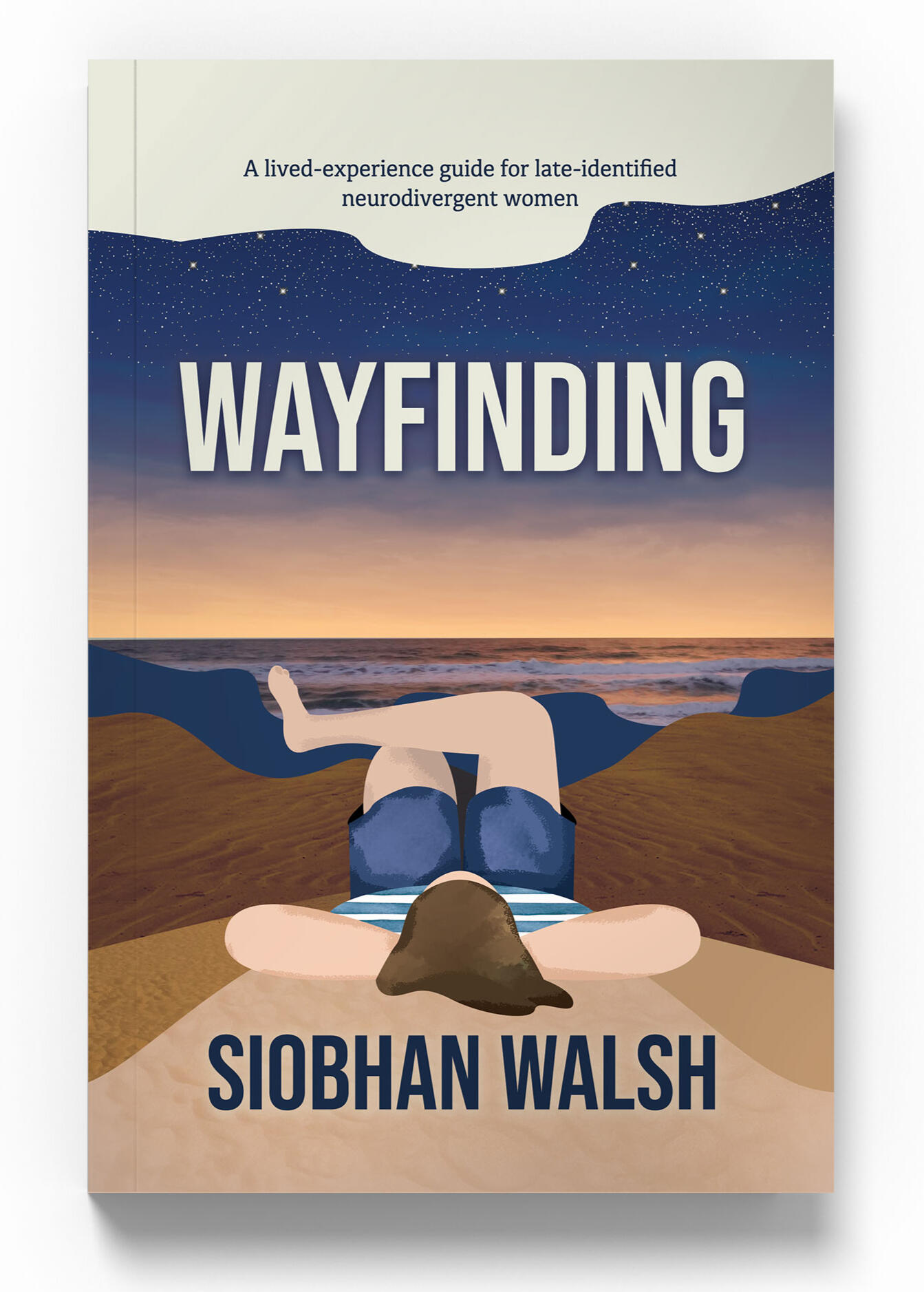
You can support me as an indie author and publisher by buying the paperback from my own bookshop.
Order in-store on online
From 27 October 2026, you can order Wayfinding through your favourite bookshop or online bookseller. Visit their website or a local bookshop.
Order from Amazon
You can buy the e-book or paperback from Amazon.